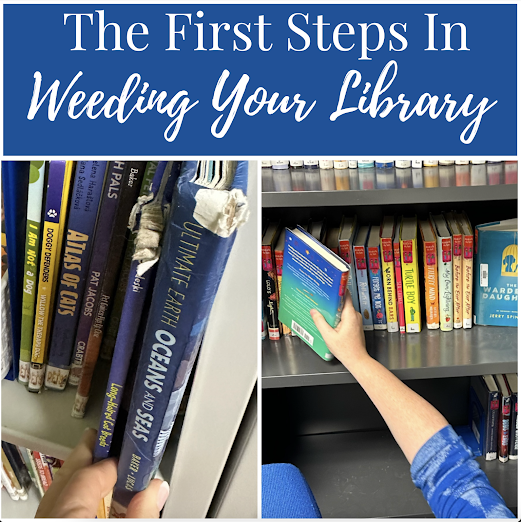
As the school year draws to a close, it’s time to refresh our library collection by removing old and worn-out books to make way for new ones. Weeding is an essential part of maintaining a vibrant and relevant library, ensuring our collection stays current and appealing to students and teachers alike.
Getting Started with Weeding
Weeding involves removing items from the collection based on specific policies tailored to our library’s needs and aligned with best practices. This diligent process helps maintain a healthy collection.
With the end of the book circulation period, we begin weeding to make space for new titles arriving this spring, summer, and into the next school year. For instance, we’ve placed three substantial orders through Titlewave, and these books will soon be added to our collection. Preparing for these arrivals means making room on our shelves and showcasing them effectively for our readers.
Steps in the Weeding Process
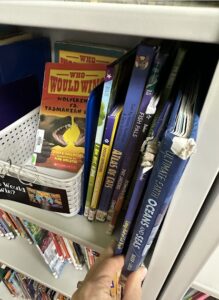
1. Initial Removal: Start by identifying and removing books that are damaged or excessively worn like the ones shown above.

2. Evaluate Multiple Copies: Check the circulation reports for multiple copies of books to decide which ones to keep or remove.
3. Decision Making: Assess whether damaged books should be replaced with new copies or permanently removed from the collection.
We enjoy this process as it allows us to revitalize our collection, ensuring it’s ready for the new school year. Students always appreciate the fresh shelves and new reading materials.
Over the next few weeks, I’ll blog about our weeding process and the tools we use, including the Follett Titlewise® Online Collection Analysis. This tool helps us assess our collection, identify strengths and weaknesses, and make informed decisions about purchases and weeding. It’s an invaluable resource for advocating for our libraries and optimizing our collections.
Let’s use this Padlet to share our weeding tips, tricks and procedures we have for our libraries. It’s the perfect time of year to exchange advice, resources, and tools.
I hope you find these posts and tips helpful. I look forward to hearing about the weeding processes and procedures you implement in your libraries.
For more information and resources, click here!

Shannon McClintock Miller
Innovation Director of Instructional Technology and Library Media
Van Meter Community School
Van Meter, Iowa
Shannon McClintock Miller is the Innovation Director of Instructional Technology and Library Media at Van Meter Community School in Van Meter, Iowa. She is also the Future Ready Librarians Spokesperson working with librarians, educators and students around the world every day as an international speaker, consultant and author. She has a passion for education, librarianship, advocacy, technology, social media and making a difference in the world and lives of others, especially children. Shannon brings a special expertise and vision to conversations around school libraries, education, technology, creativity and student voice. Learn more about Shannon on her award-winning blog, The Library Voice. Follow her on Twitter @shannonmmiller.

Simplifying Library Weeding: Steps for a Fresh Collection
Blogs
April 9, 2024

Genrefication Transforms Library, Boosts Reading Culture
Case Studies
April 3, 2024

Unlocking the Potential of Your School’s Resources: Save Time and Money by Outsourcing Projects
Webinars
March 28, 2024
Embrace the Future: Why Cloud Hosting is Essential for Modern Education
Blogs
March 12, 2024
Collaboration and Communication in Your School and District
Webinars
February 29, 2024
Investing in Professional Development: A Key to Future Success in Education
Blogs
February 16, 2024
Destiny Winter 2024 Release
Webinars
February 8, 2024
Engaging with Library Statistics: A Guide for Educators
Blogs
January 29, 2024
